Drought Tolerant Landscaping That Still Feels Lush
How Southern California new-construction homeowners can build a water-wise backyard that looks premium, not like a gravel yard, and still clears HOA review.
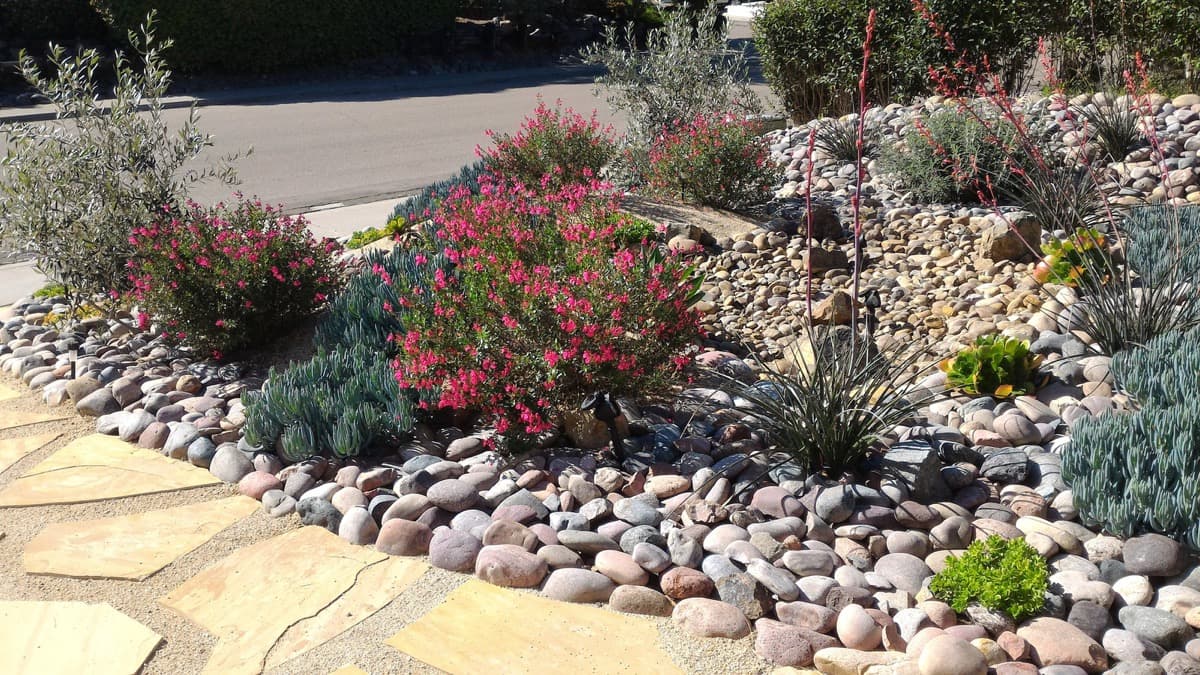
If you just closed on a new-construction home in Southern California, someone has probably already told you to "go drought tolerant." Good advice. But drought tolerant does not have to mean a yard full of gravel and three sad cactus in the corner. Done right, a water-wise backyard can look more finished, more intentional, and more valuable than a thirsty lawn ever did, and it will hold up to whatever the next dry year throws at it.
This guide walks through what actually works here: the plants, the irrigation, where artificial turf earns its place and where it does not, and how to design a water-wise yard that sails through HOA review instead of getting flagged.
The Water Reality in Southern California
Most of the water that keeps Southern California lawns green does not fall here. It travels through aqueducts from the Colorado River and Northern California, and local water agencies have spent the last decade tightening watering schedules, capping irrigation days, and in some districts restricting new turf altogether for non-functional areas. New-construction communities are often built to current water codes from day one, which means the standard three-times-a-week sprinkler lawn your parents had is already out of step with how these houses are supposed to be landscaped.
That is not a reason to panic. It is a reason to plan the yard around plants and irrigation that were built for this climate instead of fighting it with a lawn that was built for the Midwest.
Drought Tolerant Does Not Mean Bare Dirt
The biggest misconception we run into on new-home lots is that low-water landscaping equals a rock yard with a few succulents scattered around. That look happens when a yard gets planted thin to save on the install, not because low-water plants demand it. The plants that thrive in a Southern California climate, natives and Mediterranean species alike, get large, layer well, and fill a bed the way a cottage garden would, just without the irrigation bill.
The difference between a yard that reads premium and one that reads like an afterthought comes down to layering: tall structural plants at the back or corners, mid-height shrubs filling the middle, and low groundcover or gravel mulch tying it together at the base. Skip a layer and the yard looks sparse no matter how healthy the individual plants are.
Plant Palettes That Read Premium
We lean on two plant families for most Southern California backyards, and they mix well together because they evolved in similar climates on opposite sides of the planet.
California natives are the lowest-maintenance option once established, since they are adapted to our exact rainfall pattern: wet winters, bone-dry summers. They also support local pollinators, which is a nice bonus most builders never mention.
Mediterranean plants come from Spain, Italy, and North Africa, climates that mirror ours closely enough that these species barely notice the difference. They tend to have a more manicured, resort look, which is why you see them so often around hotel entrances and country clubs.
- Structural anchors: California native oak or olive trees, Chinese pistache, or a specimen agave for a sculptural focal point near the entry
- Mid-height natives: manzanita, Ceanothus (California lilac), deer grass, and matilija poppy for texture and seasonal bloom
- Mediterranean shrubs: lavender, rosemary, and Mexican sage for fragrance and a soft, resort-style border along walkways
- Groundcover: creeping thyme, dymondia, or native sedges to close gaps between shrubs without adding thirsty turf
- Mulch base: composted bark or decomposed granite to hold moisture at the root zone and cut evaporation between waterings
Smart Irrigation Is the Other Half of the Equation
The best plant palette in the world will not save water if it is fed by the same overhead spray heads a lawn would use. Drip irrigation delivers water directly to each plant's root zone at a slow, steady rate, which cuts evaporation and runoff compared to spray heads that mist half the water into the air or onto the sidewalk.
Pair drip lines with a smart irrigation controller that pulls local weather data and adjusts run times automatically. On a rainy week it skips watering entirely; on a heat wave it extends the cycle without you touching a dial. We also separate irrigation into hydrozones, grouping plants with similar water needs onto the same valve, so a thirsty young tree is not sharing a line with an established, low-water shrub bed. That single design choice prevents more plant loss than almost anything else in a new landscape.
Where Artificial Turf Actually Earns Its Place
Artificial turf gets pitched as the universal answer to drought landscaping, and it genuinely solves a real problem in the right spot. It is honest to talk through where it works and where it does not, because both matter for a yard you will live with for years.
Turf earns its place in side yards, dog runs, small pet potty areas, and tight commons-style spaces where real grass would struggle to get enough sun or foot traffic anyway. It also holds up well as a play surface for young kids when it is installed over a proper base with drainage.
Where it struggles: large open backyards in full Southern California sun. Turf absorbs heat and can get uncomfortably hot to walk on barefoot during summer afternoons, it has no cooling or air-filtering benefit the way live plants do, and a big unbroken field of turf can read flat and artificial rather than premium, especially without any planting around the edges to soften it. Our general approach is to use turf as one component in a larger design, not the whole yard, and to always frame it with real plant beds so the transition looks intentional.
Designing for HOA Approval From Day One
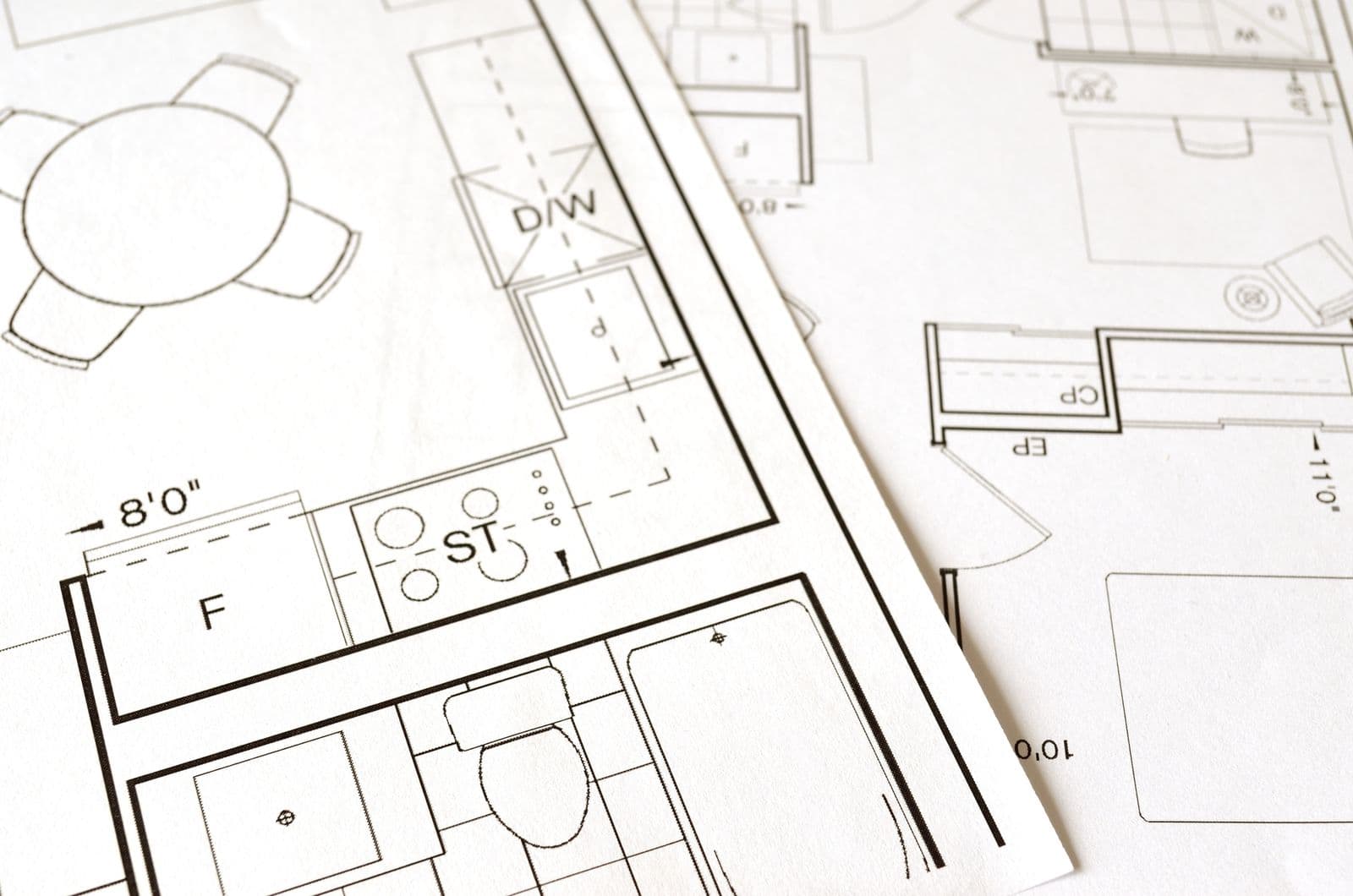
Most new-construction communities in Southern California have an HOA architectural committee, and drought-tolerant landscaping is one of the categories that gets the most scrutiny, mainly because reviewers have seen the bare-gravel version go wrong before. A submittal that shows a real plant plan, with species names, mature sizes, and a mulch or turf layout drawn to scale, moves through review far faster than a vague description of "low water landscaping."
We handle the plans, the plant list, and the HOA submittal package in-house as part of the design process, so you are not translating between a landscaper and an architectural committee on your own. If your community's guidelines are still a question mark, our HOA landscape approval page walks through what most Southern California committees ask for and how we prepare a submittal that clears on the first pass.
Getting Started From Bare Dirt
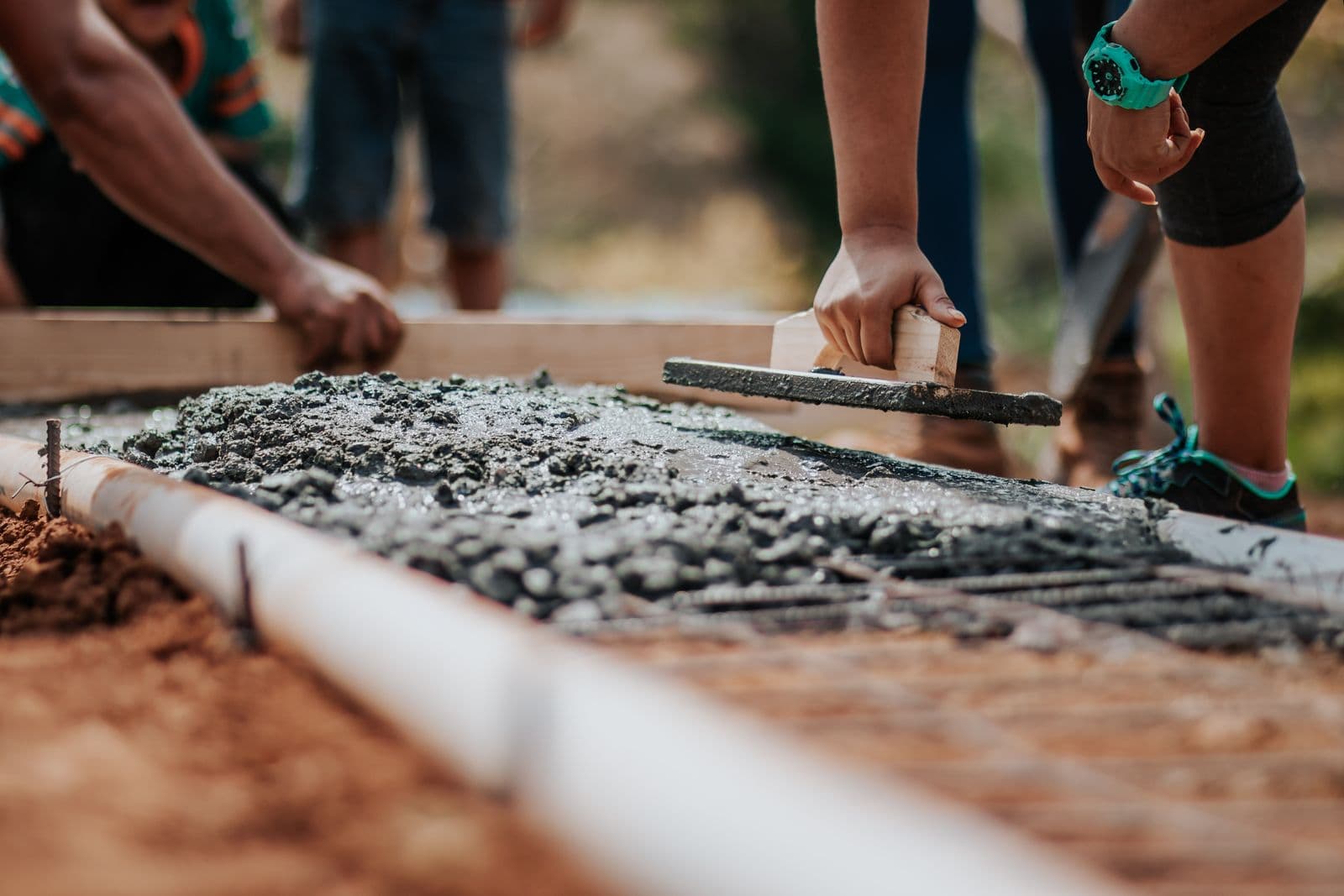
Every new-construction lot starts the same way: graded dirt, a stub for irrigation, and a builder's landscaping allowance that rarely covers more than the bare minimum. Building the full water-wise design, from grading and irrigation to plant installation and hardscape edges, is exactly the scope our landscape installation team handles from the first site walk through final planting.
Five Stars Builders is a licensed general contractor in Southern California, CSLB License #1103138, and we design and install low-water landscapes with the same one-team, one-contract approach we use across the rest of a backyard build. If you are also weighing pavers, a patio, or a full backyard plan around the planting, our new-home backyard page is the place to start, and our landscaping page covers the planting and irrigation scope in more depth.
01Is drought tolerant landscaping actually required in Southern California?
02How long does it take for drought tolerant plants to fill in?
03Can I mix artificial turf with real plants in an HOA community?
Tell us about your lot and your HOA guidelines. We will walk the site, plan the plant palette and irrigation, and give you a clear scope before any work begins.
See Our Landscaping Services