
Five Stars Builders
Backyard Landscaping in Mission Viejo
Design, HOA approval, and build for backyards across Mission Viejo's master-planned neighborhoods, from tired original yards to full renovations.
CSLB #1103138. Serving Southern California.
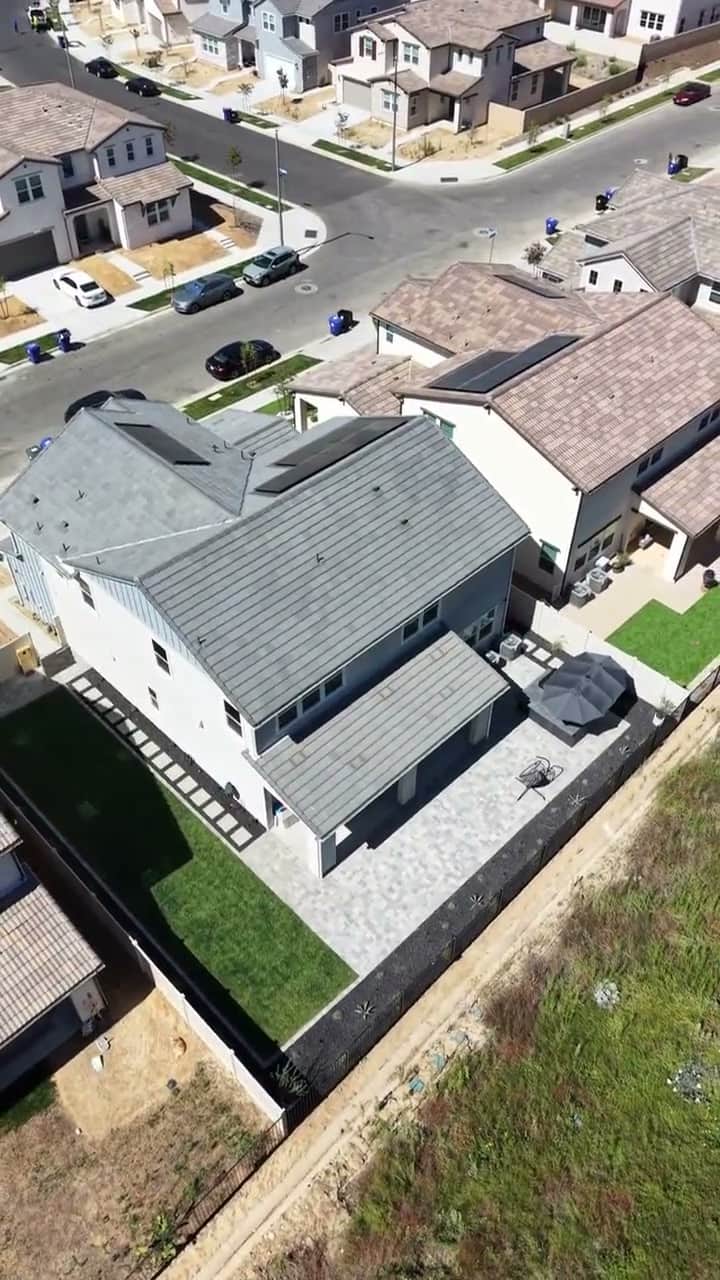
Mission Viejo is one of the largest master-planned communities in the country, laid out beginning in the 1960s and largely built out today. That means most Mission Viejo backyards are not bare new-construction lots but established yards, many decades old, with dated concrete, thirsty lawns, aging irrigation, and mature trees that have outgrown their space. The work here is usually renovation: pulling out what no longer fits and rebuilding the yard around how the family actually lives.
Almost every neighborhood in Mission Viejo sits under a homeowners association, and many carry their own architectural and landscape guidelines on top of city rules. Front-yard visibility standards, fence and wall materials, and plant palettes are commonly reviewed before work begins, and homes near Lake Mission Viejo or on the city's rolling terrain often add slope, drainage, and view-preservation considerations. Getting a plan approved the first time depends on knowing which association reviews your street and what it expects.
Five Stars Builders designs the yard, prepares the HOA landscape package for your specific Mission Viejo association, and builds the hardscape, planting, and irrigation as one team, so a decades-old backyard becomes something you actually want to spend time in without you managing three separate vendors.
Backyard services in Mission Viejo
What we build in Mission Viejo
01
HOA Permits
Start here
- Association-specific landscape plan sets
- Architectural and landscape submittal packages
- Resubmittal support if a first review is not approved
02
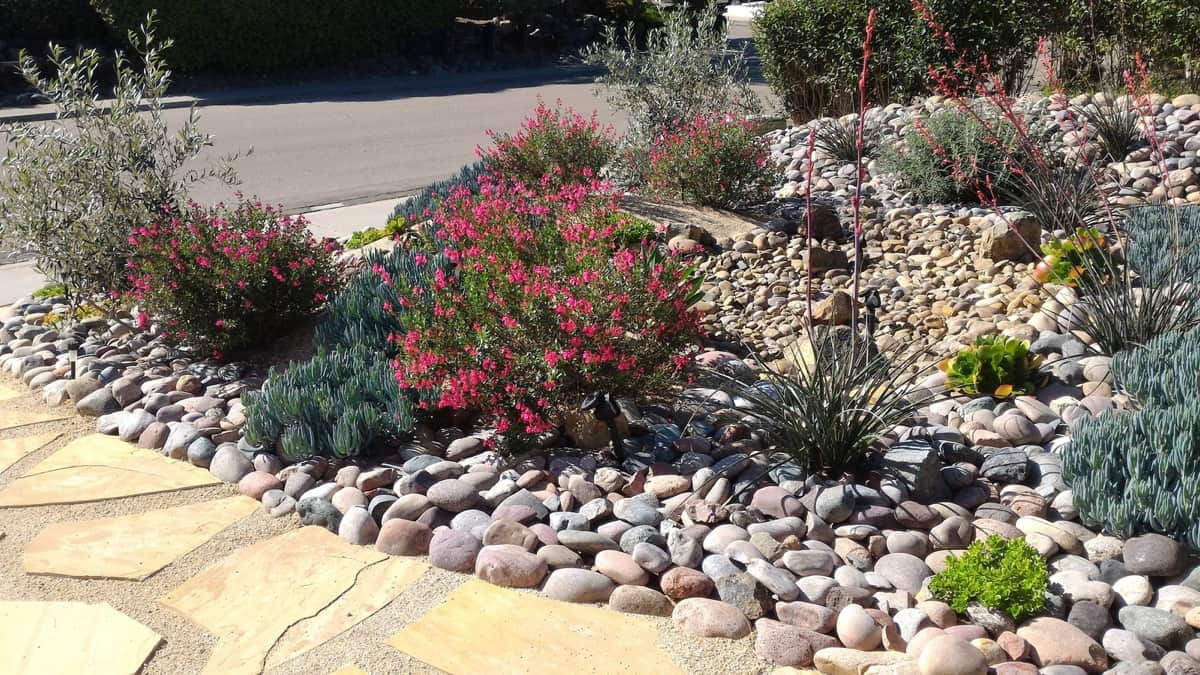
Landscaping
Water-wise
- Lawn-to-drought-tolerant conversions
- Native and low-water planting
- New drip irrigation to replace aging systems
03
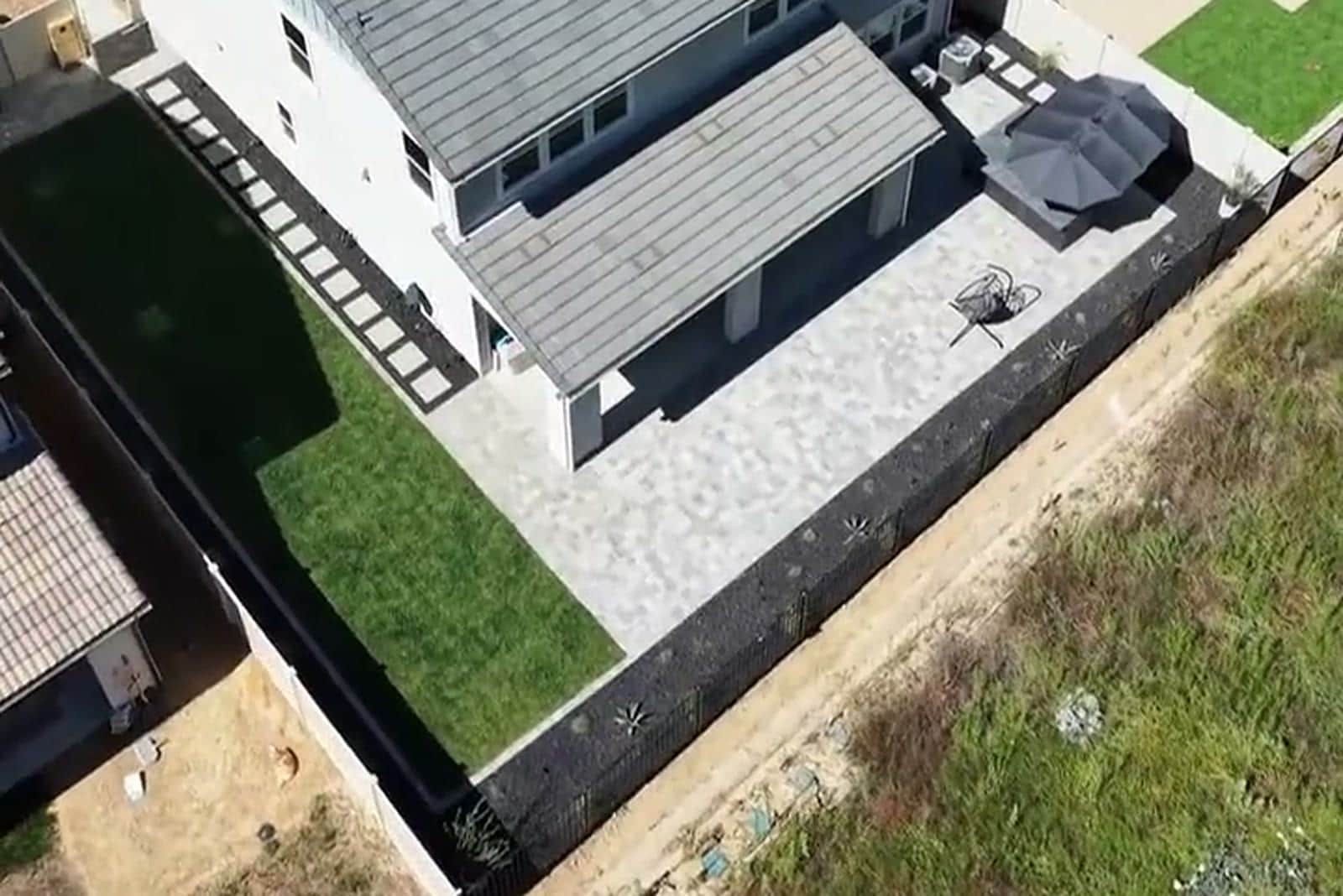
Hardscape
Most requested
- Replacing cracked and dated concrete with pavers
- Retaining walls for sloped and hillside lots
- Walkways and side-yard access
What does a complete Mission Viejo backyard plan need to solve?
Many Mission Viejo projects begin with mature but aging backyards rather than bare dirt. The design needs to distinguish useful walls, shade, drainage, and planting from systems or surfaces that no longer support the household.
Start with daily use, not a list of upgrades
A renovation should solve today's use instead of restoring an outdated arrangement. The main patio, cooking relationship, pool edge if present, and paths between levels are evaluated before deciding what to demolish. We translate those priorities into scaled zones, circulation, furniture clearances, and a hierarchy between the first-phase essentials and features that can wait.
Make every trade work from the same plan
A complete yard connects drainage, utilities, structures, hardscape, planting, irrigation, and lighting. Selective demolition and protection come first. Underground repairs, drainage, and structure work precede new finishes, while retained mature landscape is fenced or routed around during heavy access. Keeping those decisions in one scope reduces conflicts between separate crews and makes the estimate easier to compare against the design.
What one coordinated Mission Viejo backyard scope can include
How does a Mission Viejo project move from design to construction?
1. Document the lot before drawing finishes
The first site walk records doors, walls, grade, drainage, utilities, easements, access, sun, wind, privacy, and existing features worth keeping. Many Mission Viejo projects begin with mature but aging backyards rather than bare dirt. The design needs to distinguish useful walls, shade, drainage, and planting from systems or surfaces that no longer support the household.
2. Build approval into the design
Established associations may regulate visible material, wall, structure, planting, and drainage changes. The renovation plan should identify retained elements clearly so reviewers understand what is new and what remains. The homeowner should be able to see which parts require HOA review, which may require a permit, and which selections still need confirmation before construction is scheduled.
3. Complete hidden work before finished surfaces
Selective demolition and protection come first. Underground repairs, drainage, and structure work precede new finishes, while retained mature landscape is fenced or routed around during heavy access. This protects new paving and planting from avoidable cuts, trenching, or heavy traffic after the visible work is complete.
4. Leave a clean path for future phases
A phased renovation can preserve mature value while replacing failing systems in the right order. The master plan prevents a new patio from blocking later irrigation, lighting, or structural updates. A phased project still needs one long-term plan so the first investment helps the next phase instead of standing in its way.
What should you verify during a Mission Viejo backyard site walk?
- Mark every wall, tree, drain, and surface as keep, remove, or investigate
- Test how the existing patio supports current furniture and circulation
- Review HOA requirements for visible renovation work
- Plan demolition access that protects retained features
- Replace underground systems before installing new finishes
What is different about renovating a Mission Viejo backyard?
Many Mission Viejo projects begin with an existing yard rather than untouched dirt. The first task is deciding what is worth keeping. Mature planting, usable walls, drainage, and established shade can be assets, while aging irrigation, undersized patios, and disconnected grade changes may limit how the space functions. A careful plan separates useful structure from work that has reached the end of its service life.
Established associations also expect new work to fit the neighborhood. Materials, visible structures, planting changes, and drainage should be documented as one coordinated proposal. We sequence removals, underground work, hardscape, and planting so retained elements are protected. The goal is not to erase the yard's maturity, but to give it clearer use zones, updated systems, and a consistent relationship to the home.
What Mission Viejo homeowners ask us
Common questions from homeowners renovating backyards across Mission Viejo's neighborhoods.
01My backyard is original to the house. Can you renovate rather than start fresh?
02Do you handle my Mission Viejo HOA's landscape approval?
03My lot is on a slope near the hills. Does that change the design?
04Can mature planting stay during a Mission Viejo backyard renovation?
05Should old irrigation be reused?
06Does a backyard renovation still need HOA approval?
More Orange County resources
Nearby areas, our full Orange County coverage, and the new construction backyard program.
The next step
Ready to start your Mission Viejo backyard?
Call us or request a free design consultation. We will confirm your association's HOA requirements before anything begins.
CSLB License #1103138. Serving Southern California.